
The Surprising Truth About Spider Bites and Their Impact on Filmmaking
By Hiroshi Kim · · 4 min read
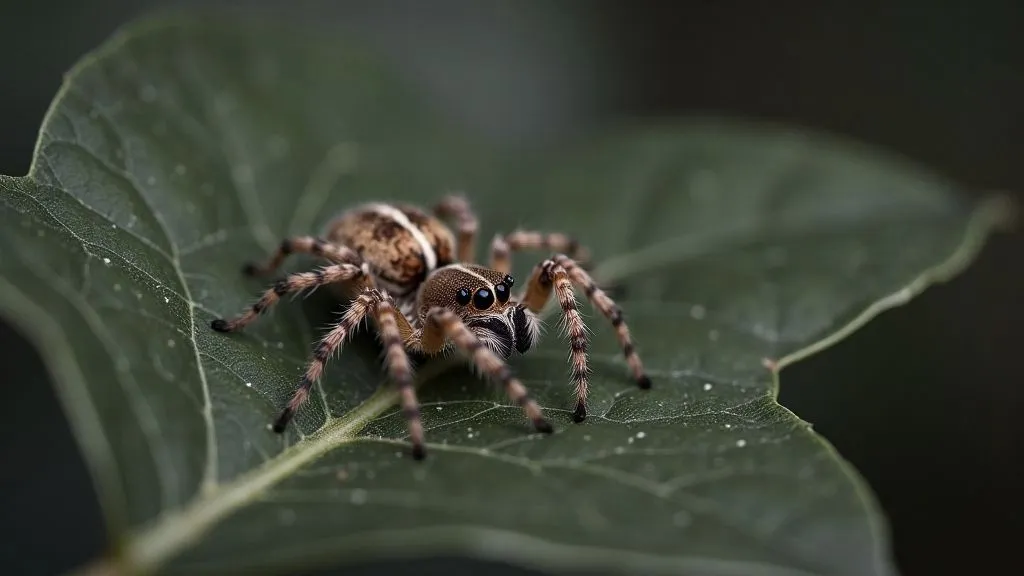
Every year, countless individuals encounter spiders in their homes, gardens, and even while out in nature. While most spider bites are harmless, there’s always the underlying concern about bites from more venomous species. Far from being a mere nuisance, the potential consequences of these bites can extend to various sectors, including the film industry, where safety protocols are paramount.
Understanding the Risks of Spider Bites
In general, the number of fatalities resulting from spider bites is remarkably low. According to health organizations, only a handful of deaths occur annually across the globe due to spiders. Most spiders are not lethal to humans, and even those that possess venom typically do not inject it with enough potency to cause serious harm.
However, the fear surrounding spider bites often translates into wider concerns in settings such as film production. On film sets, where the focus is on creating a captivating narrative, the presence of potentially dangerous wildlife, including spiders, can pose unforeseen challenges. While the risk may be low, the ramifications can be significant if a bite occurs.
The Film Set Environment and Wildlife
Film sets can be constructed in a variety of locations — from urban backlots to remote wilderness areas. Each environment brings its own set of challenges and potential hazards, including wildlife encounters. The unexpected presence of spiders can lead to increased anxiety among cast and crew members, particularly if they are filming in an area known for venomous species.
For instance, locations in the southern United States might host brown recluse or black widow spiders, both of which are known for their potentially dangerous bites. On a film set, this concern can lead to heightened safety measures, including thorough location scouting and pre-emptive pest control. Such precautions not only protect those working on set but also help maintain the flow of production, ensuring that everyone feels safe and focused on their work.
Safety Protocols in Film Production
Recognizing the potential hazards posed by wildlife, including spiders, film productions often implement rigorous safety protocols. These can include pre-production checks of locations for pest control, the presence of medical personnel on set, and comprehensive safety training for all crew members.
During the scouting process, filmmakers may also consult with pest control experts to assess the risk of spider bites and other wildlife encounters. This proactive approach allows for the identification of potential threats before filming commences. By taking these measures, productions can minimize disruptions and ensure a smoother filming process.
The Role of Pest Control in Filmmaking
Pest control is a critical component of maintaining a safe filming environment. Depending on the filming location, a pest control expert might be involved in assessing the area for potential threats, including spiders. These specialists can evaluate the risk level and recommend treatments to mitigate any issues before the crew arrives.
In some cases, pest control may even be an ongoing process during the production. For instance, if a film is shot over several weeks in a particular location, regular inspections and treatments might be necessary to keep the area safe. Ensuring a pest-free environment allows filmmakers to maintain focus on their creative vision without worrying about unexpected interruptions.
The Psychology of Fear and Its Impact on Filmmaking
The fear of spiders, known as arachnophobia, is one of the most common phobias. This fear can significantly influence individual responses to spider bites, often amplifying the anxiety surrounding them. On a film set, where actors may be required to touch or interact with spiders for a scene, these fears can have tangible effects.
Directors and producers must navigate these psychological aspects when planning scenes involving spiders or other creatures. Ensuring the comfort of actors and crew members is essential, as anxiety can lead to performance issues and decreased productivity. By creating a supportive and understanding environment, filmmakers can help alleviate fears, allowing everyone to focus on the task at hand.
The Intersection of Filmmaking and Education
Interestingly, the film industry also has a role in educating the public about spiders and their impact on human health. Documentaries and educational films about wildlife, including spiders, can provide valuable insights into their behavior, habitats, and the realities of spider bites. By portraying spiders in a more accurate light, filmmakers can help dispel myths and reduce irrational fears.
These educational efforts can also extend to the production side, where crew members receive training not just on safety but also on understanding the natural environment they are working in. Through workshops and training sessions, filmmakers can foster a greater appreciation for the ecosystems surrounding their sets, promoting a culture of respect and safety.
The Future of Safety in Film Productions
As the film industry continues to evolve, so too does the approach to safety and health on set. With growing awareness of the potential risks associated with spider bites and other wildlife encounters, filmmakers are increasingly prioritizing preventive measures.
This shift can lead to advancements in safety protocols and pest control strategies tailored specifically for the film industry. Innovations in pest management, education, and awareness can enhance the overall safety of film sets, allowing for more secure filming conditions.